Small signs that lead to big repairs later
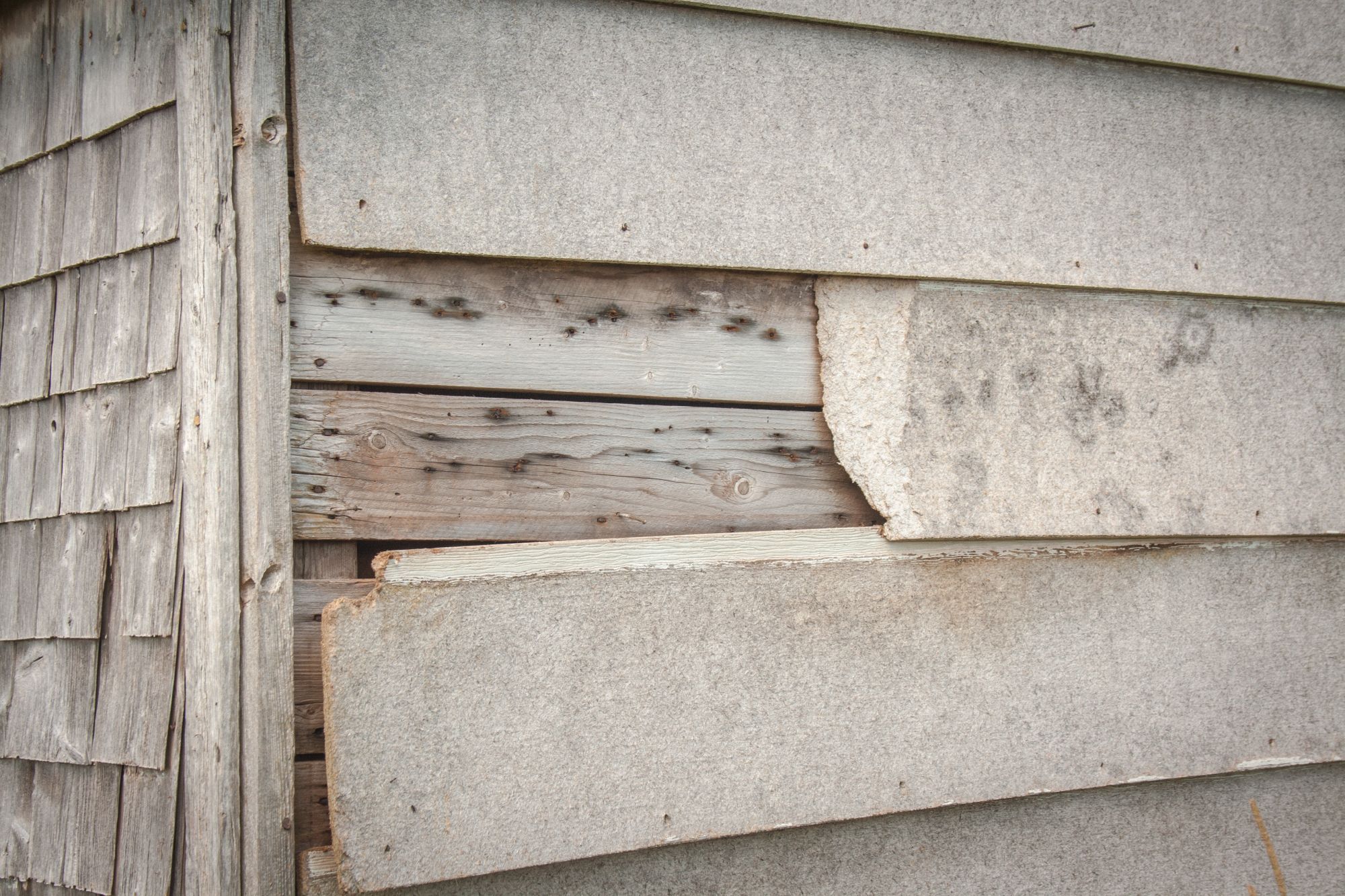
Dry rot is one of the most common and expensive issues Washington homeowners face, especially in older homes with wood siding or trim. Once wood-decay fungus takes hold, it spreads quietly behind paint, caulk and flashing. By the time you notice the surface damage, the wood fibers underneath may already be gone. The trick is learning to spot the early signs before the problem grows.
Where dry rot starts
Most rot starts in areas that stay damp and never get a chance to dry out. These include corners, window sills, deck posts and trim boards that sit too close to soil. Paint and caulk slow water down, but they can’t stop it once it’s trapped. Even a tiny gap around flashing or a nail hole can allow enough moisture to feed the fungus that causes rot.
Check these common trouble spots
- Bottom edges of trim boards where water splashes from the ground
- Window and door casings with missing or cracked caulk
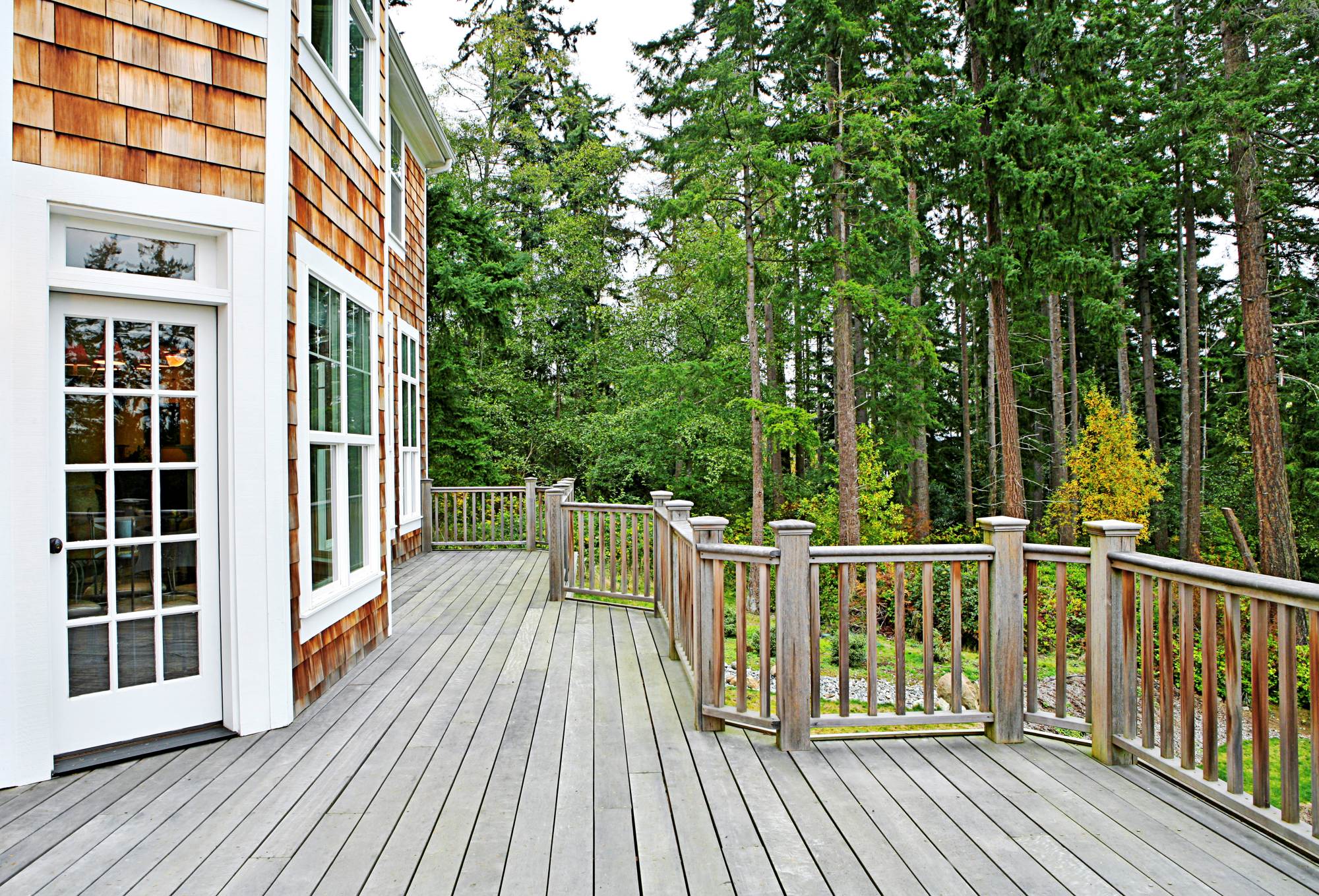
- Deck railings and post bases that trap water
- Shady sides of the house that dry slowly after rain
- Joints between siding and roofing where flashing is damaged
Even if the surface looks solid, use a screwdriver or awl to gently probe suspicious spots. Softness, flaking or a musty smell are early warning signs. Once wood begins to crumble or break apart easily, you’re already dealing with active decay.
What causes dry rot to spread
The name “dry rot” is misleading. The fungus actually needs moisture to live. It thrives in damp, poorly ventilated areas, breaking down the cellulose in wood fibers. When conditions are right—around 65 to 90 degrees and consistently damp—it can spread quickly through framing and sheathing. The biggest culprits are poor drainage, missing flashing, clogged gutters and neglected caulking.
Why ignoring it costs more
Once dry rot sets in, it doesn’t stop on its own. Even if you dry the surface out, the fungus leaves behind weak, spongy wood that can’t carry weight. Left untreated, rot can extend into framing members, rim joists, and deck supports. Repairs go from hundreds to thousands of dollars very quickly. What could have been a simple trim repair turns into partial siding or structural replacement.
Our repair approach
At Handy Home Repair, we take a methodical approach to dry rot repair. Every project starts with a careful inspection to locate the source of moisture and the true extent of the decay. We don’t just patch the surface—we open up the area to make sure the damaged wood is fully removed. Then we replace it with sound, primed lumber and seal everything to keep water out.
Our process looks like this:
- Probe the wood to confirm hidden rot and moisture levels
- Open up affected sections to expose decayed areas
- Remove all soft or fungus-infected material
- Replace with treated or primed lumber to match the original design
- Caulk, prime, and prepare the surface for paint or stain
How homeowners can prevent dry rot
- Keep gutters and downspouts clear so water doesn’t run down siding
- Re-caulk joints around windows and doors every few years
- Check the base of deck posts and trim boards for dampness
- Maintain at least six inches of clearance between siding and soil
- Repaint every 5–7 years to protect exposed wood
When to call for help
If you see soft, discolored or swollen wood, don’t wait for it to dry out on its own. Fungus continues to grow as long as moisture is present. Handy Home Repair provides inspections and written estimates so you know what’s involved before we start. We’ll explain whether it’s a simple patch, partial trim replacement, or something deeper into the framing.
Our crew handles repairs throughout Washington, from small trim replacements to large-scale siding restoration. Each job ends with a walkthrough to confirm the repair is solid, sealed, and ready for paint. You’ll have peace of mind knowing the structure beneath the surface is sound again.
Tip: A $200 moisture problem today can easily turn into a $2,000 repair next year. Stop rot early and protect your home’s structure before it spreads.